
Table of Contents
- What if the skills that help students succeed in school are not the same skills they will need to succeed in life
- The Problem
- The Result
- What should schools do
Walk into almost any classroom and you will spot them immediately.
- The student who follows every instruction.
- The student who never misses a deadline.
- The student who quietly completes every task and gets the highest grades.
For decades, we’ve called these students “successful.”
But here’s a question that should make every educator pause:
What if the skills that help students succeed in school are not the same skills they will need to succeed in life?
Welcome to what we call The Compliance Trap.
The Compliance Trap happens when students become exceptionally good at meeting expectations but rarely get the chance to create them.
They learn how to:
- Follow directions.
- Find the right answer.
- Stay within the rubric.
- Avoid mistakes.
- Wait for permission.
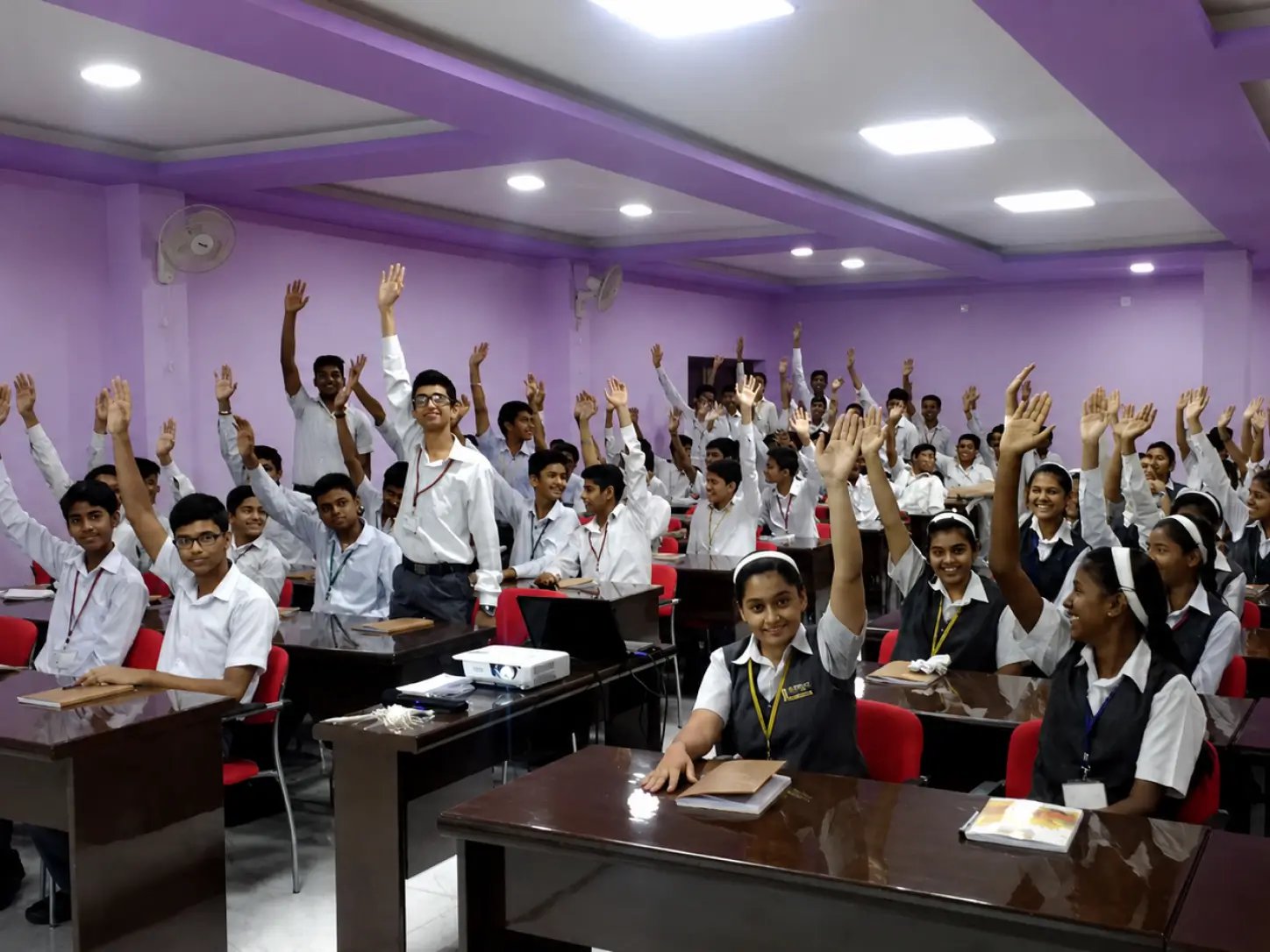
And because they are doing exactly what we ask, they are rewarded every step of the way.
The problem?
- The world they’re entering doesn’t operate like a classroom rubric.
- Nobody is handing out answer keys for navigating AI, climate challenges, emerging careers, or technologies that don’t exist yet.
- The future will belong to people who can ask better questions, not just provide correct answers.
- Think about the adults making the biggest impact today.
- Entrepreneurs.
- Creators.
- Innovators.
- Community leaders.
Most didn’t succeed because someone gave them a worksheet.
They succeeded because they noticed a problem nobody else saw and took action before anyone told them to.
That’s not compliance.
That’s agency.
And agency is becoming one of the most valuable skills of the 21st century.
This isn’t about abandoning structure.
Children need guidance, support, and strong foundations.
But somewhere along the way, many schools accidentally started rewarding obedience more consistently than curiosity.
Students quickly learn the hidden rule:
“Don’t take risks. Just do what’s expected.”
The result?
- Students who are afraid to fail.
- Students who hesitate to speak up.
- Students who wait for instructions even when they’re fully capable of leading.
- Students who have learned how to perform but not necessarily how to navigate uncertainty.
Now add AI to the equation.
If a student’s greatest strength is producing the right answer, they are competing with tools that can generate answers in seconds.
The real advantage is no longer information.
- It’s imagination.
- Judgment.
- Creativity.
- Collaboration.
- Resilience.
The deeply human skills that technology cannot easily replicate.
What should schools do?
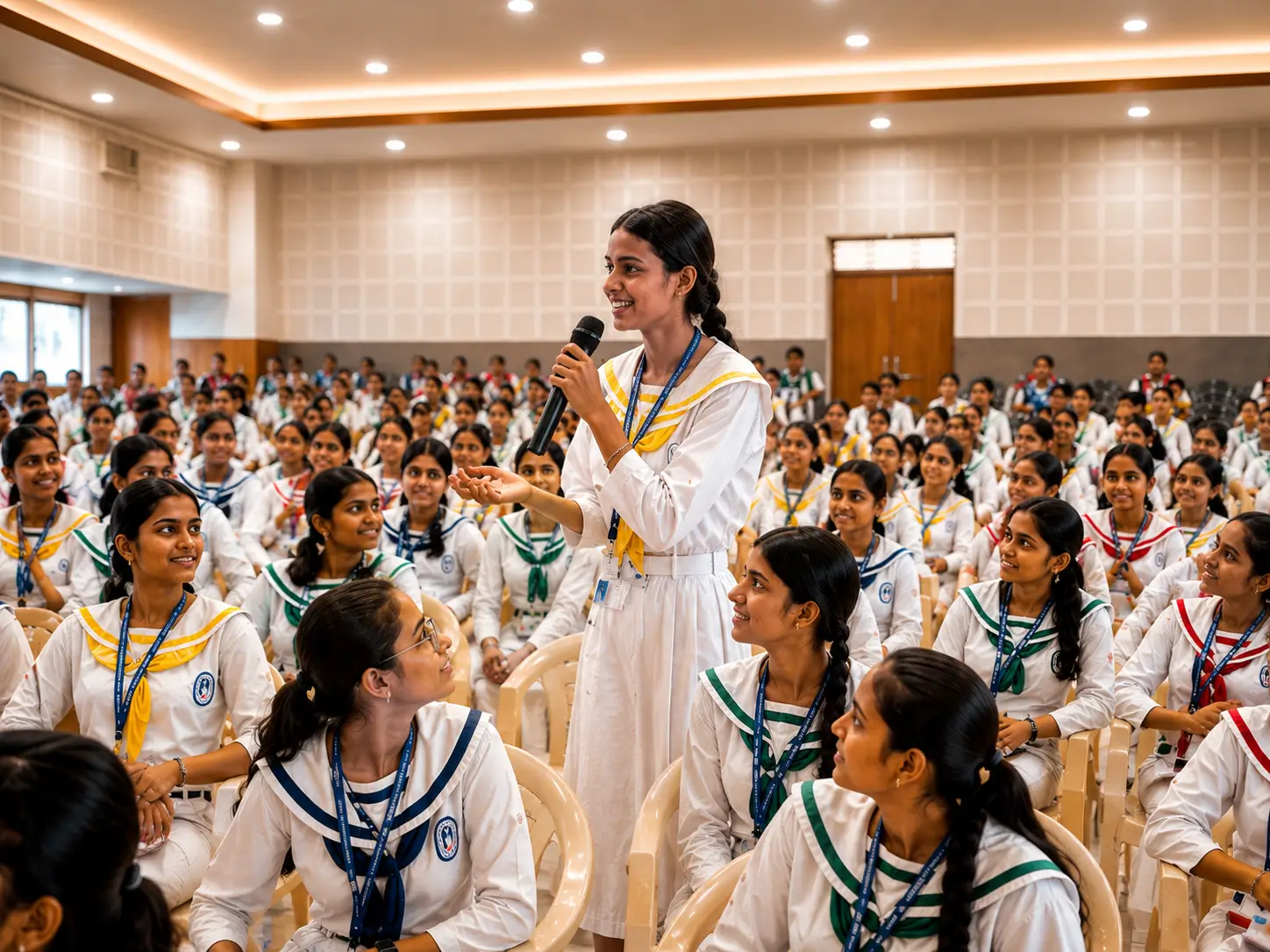
- Start rewarding questions as much as answers.
- Give students opportunities to design, build, create, and reflect.
- Celebrate productive failure.
- Create projects where there isn’t one perfect solution.
- Allow students to make meaningful decisions about their learning.
- Most importantly, help students see themselves not as consumers of knowledge, but as contributors to it.
Because the goal of education was never to produce students who can follow directions forever.
The goal is to develop young people who can think independently, act courageously, and adapt when the map no longer matches the terrain.
The highest-performing student in the room isn’t necessarily the one with the best grades.
It may be the student who is curious enough to challenge assumptions, brave enough to make mistakes, and confident enough to create something that has never existed before.
In a world changing faster than any curriculum can keep up with, compliance may help students succeed in school.
Agency will help them succeed in life.
And that may be the most important lesson we teach.